The 2026 Vero Insider Guide: Your Seamless Transition to Life on the Treasure Coast
Relocating is a significant life event, a complex tapestry woven with logistical challenges, emotional considerations, and the promise of new beginnings. For those contemplating a move to Vero Beach, Florida, in 2026, a thorough understanding of the city’s attributes, its market dynamics, and the practicalities of transitioning is paramount. This guide aims to provide a factual, comprehensive overview for the prospective resident, demystifying the decision-making process and equipping you with the knowledge necessary to navigate your potential new home.
Vero Beach, situated on Florida’s Treasure Coast, is a city characterized by its unique blend of natural beauty, cultural offerings, and a relatively laid-back atmosphere compared to some of its more bustling counterparts further south. Its geographic location provides direct access to the Atlantic Ocean, shaping both its climate and its recreational landscape.
Climate and Environment
The climate of Vero Beach is subtropical, marked by hot, humid summers and mild, dry winters. Average summer temperatures typically range from the mid-70s to low 90s Fahrenheit (24-34°C), accompanied by high humidity and frequent afternoon thunderstorms. These storms, while often brief, contribute to the lush subtropical vegetation. Winters are significantly milder, with average temperatures in the 60s and 70s Fahrenheit (15-25°C) and considerably less humidity. While hurricanes are a possibility during the Atlantic hurricane season (June 1st to November 30th), Vero Beach has implemented various mitigation strategies, and residents are advised to maintain preparedness. The city’s environment is defined by its coastal ecosystems, including barrier islands, estuaries, and protected natural areas such as the Sebastian Inlet State Park and the Archie Carr National Wildlife Refuge, which is a critical nesting ground for sea turtles.
Economy and Industries
The economic landscape of Vero Beach is diversified, though tourism and real estate remain significant pillars. Healthcare is a growing sector, anchored by institutions such as Cleveland Clinic Indian River Hospital, which serves as a major employer and healthcare provider for the region. Agriculture, particularly citrus cultivation, has historically been vital, though its prominence has diminished somewhat in recent decades due to various factors including development pressure and global market shifts. Retail and professional services also contribute to the local economy, catering to both residents and visitors. The absence of heavy industry contributes to the city’s relatively pristine environment, aligning with its appeal as a residential and retirement destination.
Demographics and Community Profile
The demographic profile of Vero Beach in 2026 is projected to continue its trend of attracting retirees and those seeking a quieter residential environment. While the overall population has shown steady growth, the median age remains higher than the national average. This contributes to a community atmosphere that may be perceived as mature, with a strong emphasis on community engagement, volunteerism, and leisure activities. While the population is predominantly Caucasian, there is a growing and diverse mix of ethnicities and backgrounds. The city’s social fabric is characterized by numerous clubs, organizations, and civic groups, providing opportunities for integration and involvement for new residents.
The Real Estate Landscape: Navigating Your Options
The real estate market in Vero Beach in 2026 will likely continue to be influenced by Florida’s broader economic trends, demand from out-of-state buyers, and local development patterns. Understanding the nuances of this market is crucial for a successful property acquisition.
Housing Types and Price Ranges
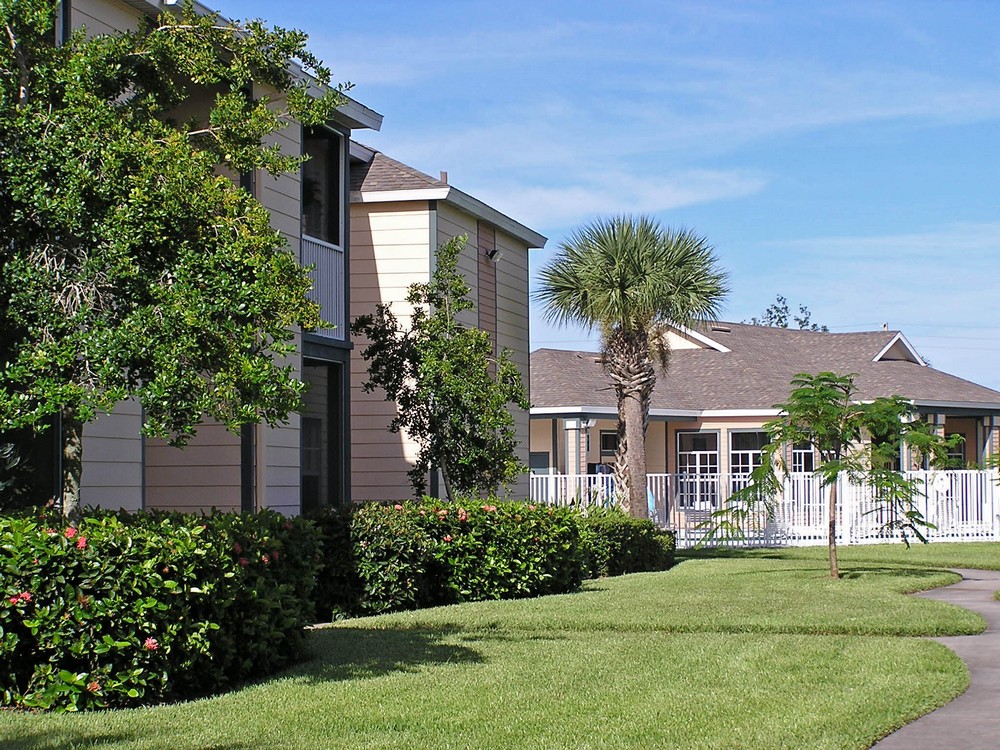
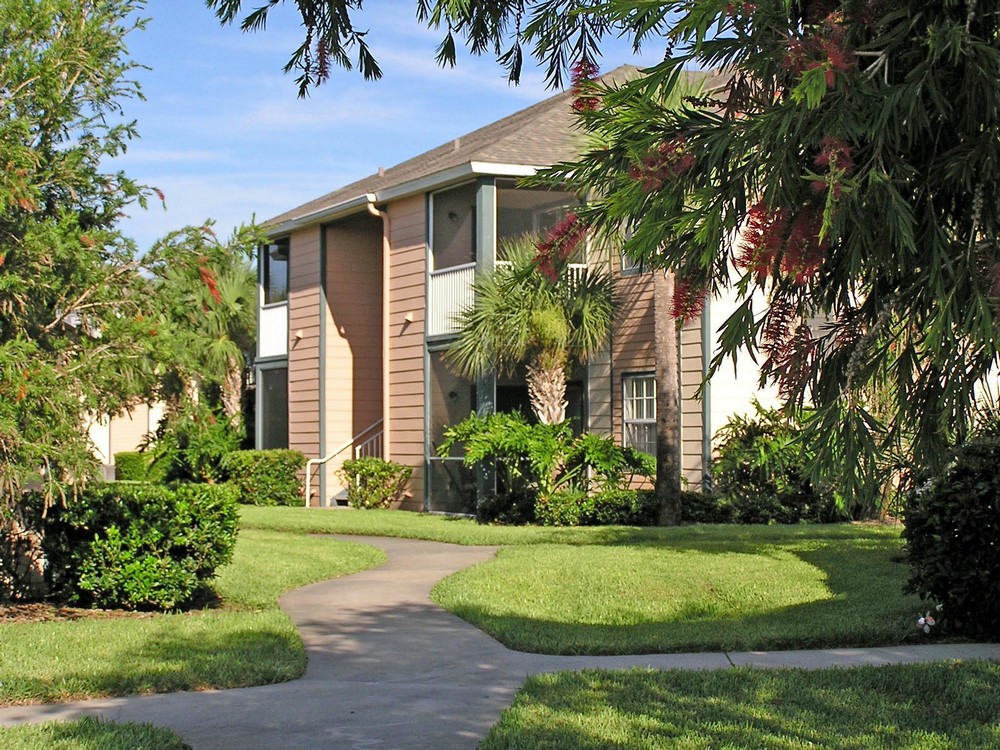
Vero Beach offers a diverse array of housing options, ranging from single-family homes in established neighborhoods to luxury waterfront estates and condominiums. The barrier island, often referred to as “Beachside,” commands higher property values due to its proximity to the ocean and limited inventory. Here, properties can range from mid-seven figures to multi-million dollar estates, with condominium prices varying widely based on location, amenities, and age of the complex. On the mainland, known as “West of the Bridge,” housing options are more varied and generally more affordable. You can find a mix of older, more modest homes, newer suburban developments, and master-planned communities. Price ranges on the mainland can start in the mid-six figures for smaller homes, escalating to over a million for larger properties in desirable areas or golf communities. Rental markets exist, but inventory can be tight, especially for seasonal rentals, and prices reflect demand.
Market Trends and Investment Considerations
In 2026, the Vero Beach real estate market is anticipated to remain competitive, though perhaps not with the extreme volatility observed in recent years. Demand typically outpaces supply, particularly for well-maintained properties in desirable locations. Factors influencing market trends include interest rates, population migration into Florida, and local economic growth. For prospective buyers, understanding these trends is crucial. As an investment, Vero Beach properties have historically shown steady appreciation, particularly waterfront and premium properties. However, like any real estate investment, it is subject to market fluctuations and requires diligent research. Consulting with local real estate professionals is advisable to gain insights into specific micro-markets and projected appreciation.
Regulatory Environment and Building Codes
Florida’s regulatory environment for real estate is robust, covering aspects from property taxes (which can be significant, especially for homesteaded properties vs. non-homesteaded) to building codes designed to withstand hurricane conditions. New construction and renovations are subject to stringent building codes, including specifications for wind resistance, elevation, and flood plain compliance. These regulations are in place to ensure safety and resilience in a coastal environment. Property taxes are assessed annually, and Florida offers a homestead exemption for primary residences, which can reduce the taxable value. Prospective homeowners should familiarize themselves with these regulations, flood insurance requirements, and potential homeowners association (HOA) covenants, as many communities in Vero Beach are governed by HOAs.
Education and Family Life: A Look at Resources
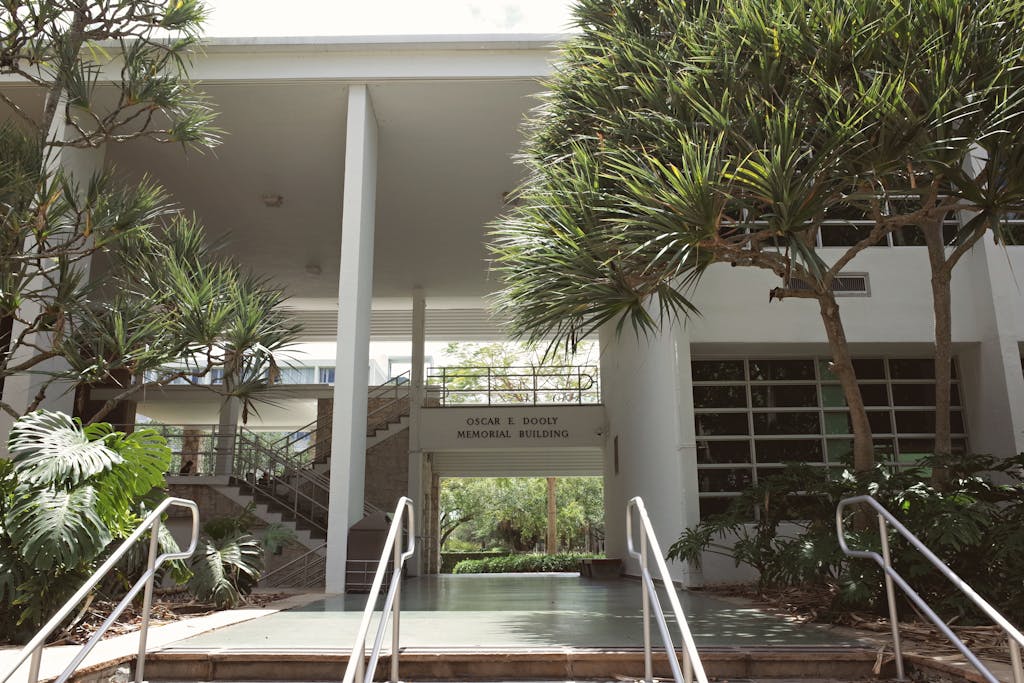
For families relocating with children, the quality of education and the availability of family-friendly amenities are often primary determinants. Vero Beach offers a range of educational options and a lifestyle conducive to family well-being.
Public and Private School Options
The Indian River County School District serves Vero Beach, comprising a network of elementary, middle, and high schools. Performance metrics for these schools vary, and prospective residents should consult resources like the Florida Department of Education reports and independent rating agencies for detailed information on individual school performance, curriculum, and extracurricular offerings. In addition to public schools, Vero Beach also has several private school options, offering diverse pedagogical approaches and class sizes. These include faith-based schools and independent institutions, each with its own enrollment criteria and tuition structure. Tours and direct communication with school administrations are recommended to assess the best fit for your children’s educational needs.
Healthcare Facilities
Vero Beach boasts a strong healthcare infrastructure centered around Cleveland Clinic Indian River Hospital, which is a significant regional medical center offering a comprehensive range of specialties, emergency services, and advanced medical technologies. Numerous private practices, specialized clinics, and urgent care centers are also available throughout the city, providing accessible primary care and specialized medical services. The presence of a major hospital and a network of healthcare providers ensures that residents have access to quality medical care within the community. Senior care facilities, including assisted living and skilled nursing, are also prevalent, catering to the needs of the city’s older population.
Recreational Activities and Family Amenities
Vero Beach offers an abundance of recreational opportunities, many of which leverage its coastal location. Miles of public beaches provide opportunities for swimming, sunbathing, surfing, and fishing. The Indian River Lagoon, a biodiverse estuary, is ideal for boating, kayaking, paddleboarding, and wildlife viewing. The city also features numerous parks, playgrounds, and sports complexes, catering to various age groups and interests. The Vero Beach Museum of Art, Riverside Theatre, and various art galleries contribute to a vibrant cultural scene. Family-friendly events, festivals, and farmers’ markets are regularly held throughout the year, fostering a strong sense of community. The availability of diverse recreational outlets contributes significantly to the quality of life for families in Vero Beach.
Logistics of the Move: Planning Your Transition
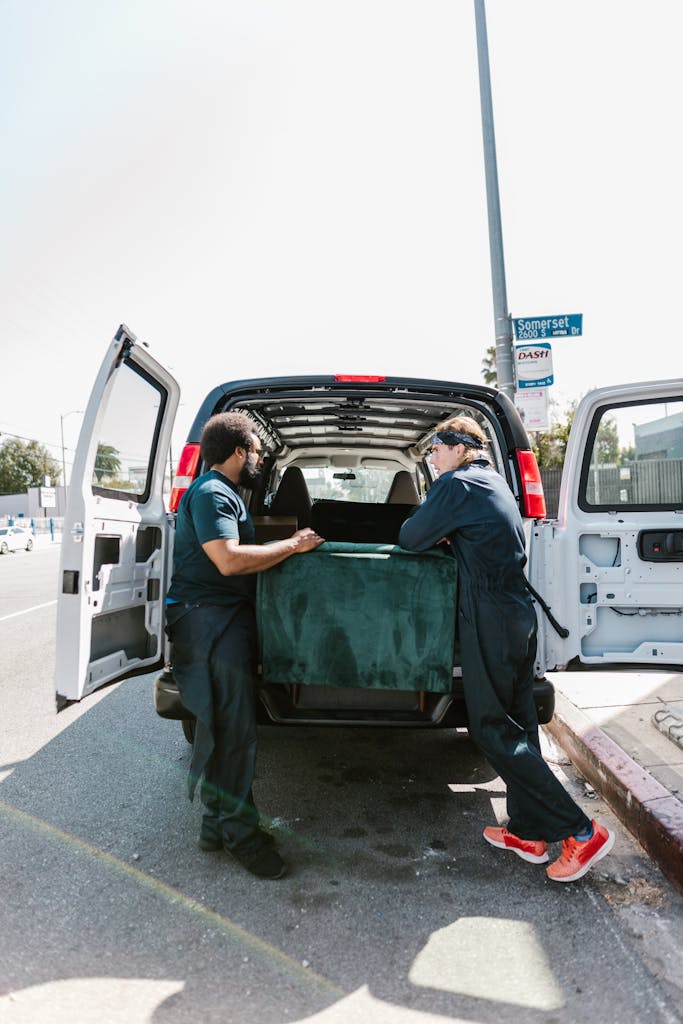
Making the physical move to Vero Beach requires meticulous planning and execution. From packing to establishing new services, an organized approach can significantly reduce stress.
Moving Companies and Services
Engaging a reputable moving company is often a critical step, particularly for long-distance relocations. Researching companies, obtaining multiple quotes, and reviewing customer feedback are essential. Consider full-service movers who handle packing and unpacking, or opt for more economical options where you pack your belongings. For those preferring a DIY approach, truck rental companies are available. Additionally, consider temporary storage solutions if your move-in and move-out dates do not perfectly align. Researching Florida-specific moving regulations and insurance options is also prudent, as interstate moves can have different requirements than intrastate ones.
Utility Setup and Service Transfers
Upon arrival, establishing essential utility services is a priority. This typically includes electricity (provided by Florida Power & Light – FPL), water and sewer (provided by the local utility department), and waste collection. Internet and cable television services are offered by various providers, such as Comcast Xfinity and AT&T. It is advisable to contact these providers several weeks in advance of your move to schedule installation or transfer services, especially during peak moving seasons. Updating your mailing address with the USPS, and transferring prescriptions and medical records to local providers, are also crucial administrative tasks.
Vehicle Registration and Driver’s License
Within 30 days of establishing residency in Florida, you are required to obtain a Florida driver’s license and register your vehicle(s) with the Florida Department of Highway Safety and Motor Vehicles (DHSMV). This involves providing proof of identity, residency, and vehicle ownership, as well as passing a vision test. Out-of-state license plates must be replaced with Florida plates. Understanding the specific requirements and documentation needed will streamline this process. Additionally, updating your vehicle insurance to a Florida-based policy is mandatory, and you should research providers operating in the state to find competitive rates.
Integrating into the Community: Beyond the Move
Relocation is not merely a change of address; it is an immersion into a new social and cultural landscape. Proactive engagement can expedite the process of feeling “at home.”
Local Amenities and Services
Vero Beach offers a comprehensive range of local amenities to support daily life. Grocery stores, including national chains and local markets, are readily available. Retail options range from large department stores at the Indian River Mall to boutique shops on Ocean Drive. Banking institutions, pharmacies, and post offices are conveniently located throughout the city. Public transportation is somewhat limited, primarily consisting of the GoLine bus system, so personal vehicle ownership is often a practical necessity for navigating the broader community. The city also provides various parks, libraries, and public facilities for community use.
Social and Networking Opportunities
For new residents, actively seeking social and networking opportunities is key to integration. Vero Beach has a multitude of civic organizations, volunteer groups, and hobby-based clubs that cater to diverse interests. Joining local chapters of national organizations, participating in community events, or engaging in religious organizations can provide avenues for meeting new people and building connections. The local Chamber of Commerce is also a valuable resource for business professionals and entrepreneurs. Websites and social media groups dedicated to Vero Beach residents can offer insights into local happenings and provide platforms for connecting with others who share similar interests.
Cultural and Recreational Pursuits
Vero Beach’s cultural scene is more robust than its size might suggest. The Riverside Theatre offers professional theatrical productions, often attracting renowned artists. The Vero Beach Museum of Art features a permanent collection and hosts various rotating exhibitions, alongside educational programs. Local art galleries showcase regional and national artists. For outdoor enthusiasts, the Atlantic Ocean provides opportunities for fishing charters, diving, and beach activities. The Indian River Lagoon is a haven for kayakers, paddleboarders, and birdwatchers. Golf courses are plentiful, reflecting the popularity of the sport in the region. Engaging in these pursuits not only offers enjoyment but also presents opportunities to connect with individuals who share similar passions.
Relocating to Vero Beach in 2026 demands a thoughtful and methodical approach. By systematically addressing the various facets of this transition – from understanding the city’s characteristics and navigating its real estate market, to planning the logistical aspects of the move and proactively seeking community integration – you can lay a solid foundation for a successful and fulfilling new chapter. The city, with its coastal charm and community-oriented atmosphere, offers a compelling proposition for those seeking a balance of tranquility, natural beauty, and a comfortable lifestyle.
FAQs
What is the best time of year to relocate to Vero Beach?
The best time to relocate to Vero Beach is typically during the spring or fall months when the weather is mild and there are fewer tourists. This makes moving easier and more comfortable.
What are the main industries and job opportunities in Vero Beach?
Vero Beach’s economy is driven by tourism, healthcare, retail, and agriculture. There are also opportunities in education and small business sectors. Job seekers should research specific industries relevant to their skills.
What is the cost of living like in Vero Beach compared to the national average?
The cost of living in Vero Beach is slightly higher than the national average, mainly due to housing costs. However, it remains more affordable than many other coastal cities in Florida.
What are the educational options available in Vero Beach?
Vero Beach offers a range of educational options including public schools, private schools, and nearby colleges such as Indian River State College. The area is known for quality education and community programs.
Are there any natural hazards or weather concerns to consider when moving to Vero Beach?
Vero Beach is located in a hurricane-prone region, so residents should be prepared for hurricane season from June to November. Flooding and tropical storms are also potential concerns, making proper insurance and emergency planning important.