
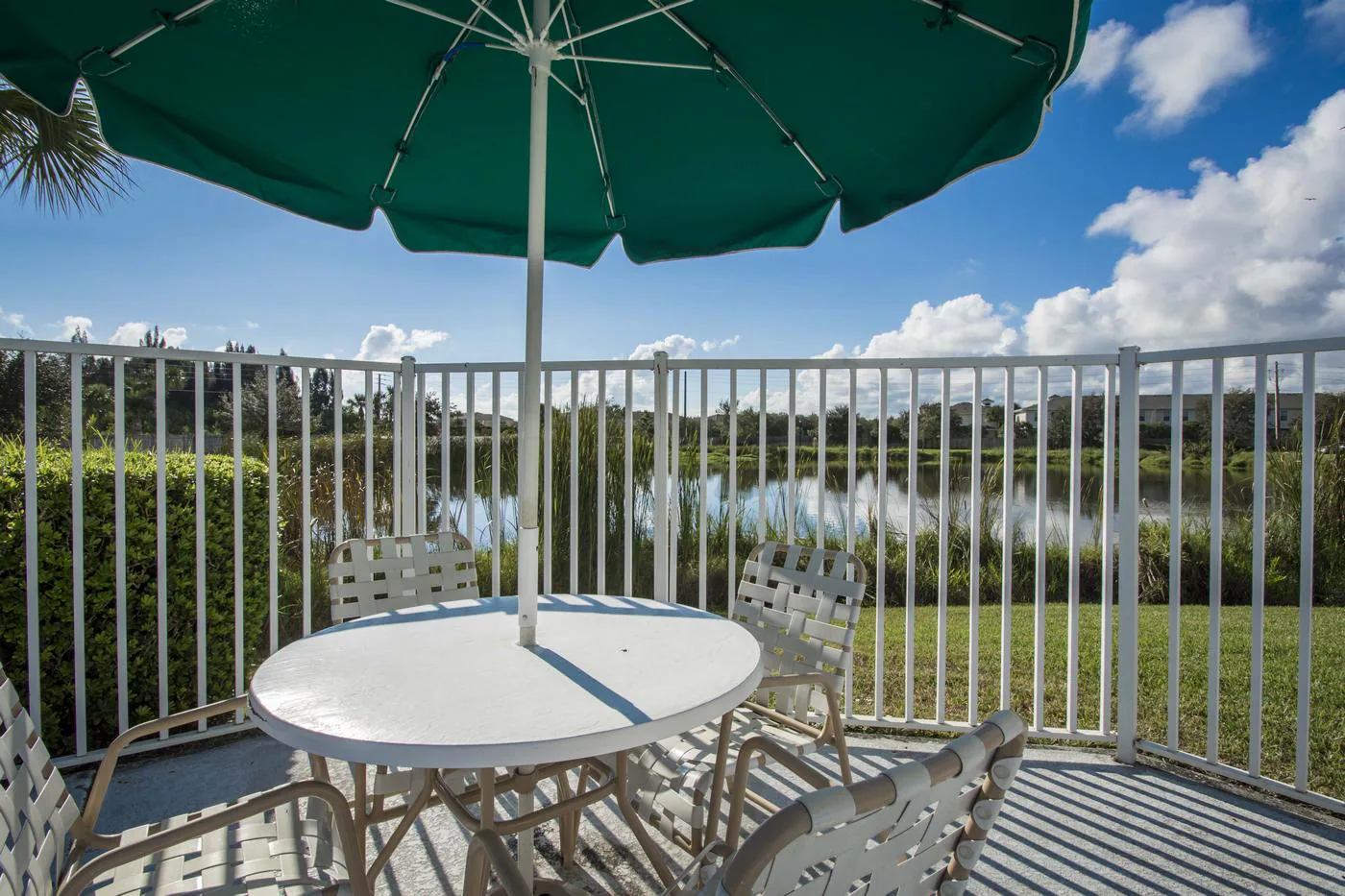
Launch and Relax: Navigating the Waterfront Lifestyle at Indian River Apartments

Waterfront living in Florida offers a unique lifestyle, where the rhythm of the tides and the allure of the open water are constant companions. For a segment of the population that values aquatic pursuits, apartments with direct boat ramp access represent a particularly desirable form of this lifestyle. This configuration allows residents to seamlessly integrate their maritime activities with their daily living, transforming a Sunday drive to the marina into a simple launch from their own doorstep.

The fundamental advantage of an apartment complex featuring a boat ramp is the unparalleled convenience it provides to boat owners. Instead of the logistical challenges and costs associated with traditional marina slips, residents can often keep their vessels on a trailer on their property, or in a designated storage area within the complex, and launch them with minimal effort. This proximity eliminates the need for lengthy commutes to a marina, reducing the time and expense involved in accessing the water.

Reduced Time Investment

For many, the decision to own a boat comes with the expectation of spending more time on the water. Apartments with boat ramp access act as a catalyst for this, by dramatically reducing the friction points associated with boat ownership. The time typically spent driving to a marina, finding parking, and walking to the dock is often reallocated to actual boating activities. This means more opportunities for fishing excursions, leisurely cruises, or simply enjoying the sunset from the water.

Cost-Effectiveness Compared to Marina Slips

While apartment living inherently carries its own costs, the inclusion of a boat ramp can offset some of the expenses associated with traditional boat ownership. Marina slip fees in prime Florida locations can be substantial, often representing a significant portion of a boater’s annual expenses. By providing on-site ramp access, apartment complexes can, in some cases, offer a more economical solution, eliminating or significantly reducing these recurring slip rental costs. This economic advantage can be a decisive factor for individuals and families looking to maximize their recreational budget.

Enhanced Accessibility and Spontaneity

The ability to launch a boat quickly and easily fosters a sense of spontaneity. Instead of meticulously planning a trip to the water days in advance, residents can often decide to go out on a whim. A change in weather, an unexpected free afternoon, or a spontaneous desire to explore a nearby cove can be acted upon quickly. This fosters a more integrated and less scheduled approach to aquatic recreation, making the boat an accessible extension of the home rather than a separate logistical commitment.

Types of Apartment Complexes Offering Boat Ramp Access

The spectrum of apartment complexes that provide boat ramp access is varied, catering to different budgets, lifestyles, and levels of amenity. These can range from smaller, more intimate communities to larger developments with a wider array of services. Understanding these distinctions is crucial for potential residents seeking to find the right fit.

Small-Scale Waterfront Communities

In many coastal areas of Florida, smaller apartment buildings or townhome-style condominiums are designed with a limited number of units and a shared boat ramp. These often cultivate a more close-knit community atmosphere, where residents may share a common passion for boating. The ramp access in these settings is typically a core feature, integrated into the very fabric of the development.

Cohousing and Shared Amenities

Some of these smaller communities might lean towards a cohousing model, where residents actively participate in the maintenance or management of shared amenities, including the boat ramp. This can foster a strong sense of ownership and mutual responsibility. Discussions about ramp etiquette, scheduling, and minor upkeep may be more common.

Limited Boat Storage Options

In smaller complexes, the surrounding land may be limited, leading to more structured boat storage solutions. This could involve designated trailer parking spots, or in some cases, a rotation system for ramp usage during peak times to ensure equitable access.

Mid-Sized Developments with Dedicated Docks

As apartment complexes grow in size, the provision of boat ramp access may be accompanied by additional amenities. Mid-sized developments might offer a more robust infrastructure, potentially including small docks adjacent to the ramp for temporary tie-ups.

Integrated Trailer Storage

These developments often have dedicated areas for boat trailer storage, which are typically leased or included in a community fee. The organization of these storage areas is crucial for efficient access to the ramp.

Shared Maintenance Responsibilities

While not always directly involving resident labor, mid-sized developments usually have established protocols for the maintenance of the boat ramp and any associated docks, often funded through HOA fees or community dues.

Large-Scale Resort-Style Complexes

Larger, more amenity-rich apartment complexes, often designed with a resort-like feel, may also incorporate boat ramp access as part of a broader package of recreational offerings. These developments often aim to attract individuals and families seeking a comprehensive waterfront living experience.

Comprehensive Marina Facilities

In some cases, the boat ramp access might be a component of a larger, on-site marina facility. This could include wet slips for larger vessels, fuel docks, and even boat repair services, offering a high degree of convenience for serious boaters.

Professional Management and Maintenance

These larger complexes typically have professional management teams responsible for the upkeep and operation of all amenities, including the boat ramp. This ensures that the facilities are well-maintained and readily available.

Potential for Additional Fees

While offering a wealth of amenities, these larger developments may also come with a more complex fee structure, which could include separate charges for boat ramp access, trailer storage, and the use of marina facilities.

Navigating the Practicalities of Apartment Boat Ramp Access

The allure of launching a boat from one’s doorstep is undeniable, but it’s important to understand the practical considerations that accompany this lifestyle. These involve not only the logistical aspects of owning and using a boat but also the rules and regulations within the apartment complex itself.

Boat Size and Type Restrictions

Apartment complexes with boat ramps often have limitations on the size and type of boats that can be utilized. These restrictions are typically in place to ensure the safety of residents, the integrity of the ramp and surrounding infrastructure, and to manage potential conflicts at the launch point.

Draft Limitations

Water depth at the ramp and in the immediate access channel can dictate the maximum draft of a vessel that can be safely launched and retrieved. This is particularly relevant for larger sailboats or deep-hulled powerboats.

Beam and Length Restrictions

The width and length of a boat can influence its maneuverability on the ramp and in the loading/unloading area. Narrower ramps or confined spaces may necessitate restrictions on wider or longer vessels.

Trailer Requirements

The type and condition of the boat trailer are also important. Trailers with good condition tires, a functional winch, and appropriate lighting are essential for safe and efficient operation. Some complexes may have specific requirements for trailer weight capacity.

Trailer Parking and Storage Regulations

Once a boat is launched, its trailer needs to be stored. Apartment complexes with boat ramp access typically have designated areas for trailer parking. Strict adherence to these regulations is crucial to avoid fines or towing.

Designated Parking Zones

These zones are often located away from primary parking areas to prevent congestion and to ensure that general resident parking is not impacted. The size and number of available spots can be limited.

Temporary vs. Permanent Storage

Some complexes may offer temporary parking for trailers while the boat is in use, with stricter rules for long-term storage. Permanent storage often comes with an additional fee and a designated spot.

Security Measures

Trailer storage areas may be equipped with security measures such as fencing, lighting, or even surveillance cameras, depending on the development.

Access Hours and Usage Etiquette

To ensure orderly operation and minimize noise disturbances, most apartment communities implement specific hours for boat ramp usage. Furthermore, a clear understanding and practice of ramp etiquette are essential for fostering a positive environment.

Defined Operating Hours

These hours typically align with reasonable daytime and early evening hours, avoiding late-night or early-morning noise. Specific times are usually posted and enforced.

Tie-Up and Loading Zone Protocols

Clear procedures for tying up boats at the ramp, loading passengers and gear, and the sequence of launches and retrievals help to prevent bottlenecks and potential accidents.

Noise Considerations

Boat engines, especially during warming up or maneuvering, can generate significant noise. Adhering to usage hours and being mindful of noise levels is an important aspect of community living.

Florida’s Rich Boating Culture and Apartment Access

Florida’s identity is inextricably linked to its extensive coastline and abundant waterways. The state boasts a vibrant boating culture, with residents and visitors alike embracing the opportunities for recreation and transportation that its aquatic landscape provides. Apartments with boat ramp access tap directly into this ingrained way of life.

Proximity to Fishing Grounds and Waterways

Many Florida apartment complexes featuring boat ramps are strategically located near prime fishing areas, natural reserves, or channels that provide access to larger bodies of water like the Gulf of Mexico or the Atlantic Ocean. This proximity allows residents to spend less time traveling and more time pursuing their chosen aquatic activities.

Saltwater and Freshwater Opportunities

Depending on the location of the apartment complex – whether on the coast or inland near a navigable river or lake – residents can access a diverse range of fishing environments, from inshore saltwater flats teeming with redfish and snook to freshwater lakes renowned for largemouth bass.

Access to Interconnecting Waterways

Florida’s intricate network of canals, rivers, and bays can be explored with ease from an apartment with a boat ramp. This opens up possibilities for island hopping, exploring undeveloped coastlines, or simply enjoying a scenic tour of the state’s natural beauty.

Integration into a Boating Lifestyle

For individuals and families who consider boating a central part of their identity and leisure, apartments with boat ramp access offer a seamless integration of their home and their passion. The boat becomes less of an occasional luxury and more of a readily available extension of their living space.

Weekend Warriors and Full-Time Mariners

This type of living appeals to a broad spectrum of boaters, from those who only have time for weekend excursions to individuals who might consider their boat a primary mode of transportation or a floating residence.

Community of Shared Interests

Living in an apartment complex with boat ramp access often fosters connections with like-minded individuals. Discussions about fishing reports, gear recommendations, or planned group outings are common, creating a sense of camaraderie among residents.

Considerations Before Choosing an Apartment with Boat Ramp Access

While the allure of apartment living with direct boat ramp access is significant, potential residents should conduct thorough due diligence before making a commitment. A comprehensive understanding of the associated responsibilities, potential limitations, and overall value proposition is crucial.

Understanding the Homeowners Association (HOA) or Condo Association Fees

The maintenance and upkeep of a boat ramp and any associated facilities are not without cost. These expenses are typically covered by HOA or condominium association fees. It is essential to understand the breakdown of these fees and what specifically they cover regarding the boat ramp.

Fee Structure and Increases

Inquire about the current fee structure and any historical trends of fee increases. Understand how the expenses related to ramp maintenance, insurance, and any necessary upgrades are allocated.

Special Assessments

Be aware of the possibility of special assessments for major repairs or improvements to the boat ramp or surrounding areas. These can be significant, one-time charges that are in addition to regular fees.

Insurance and Liability

Owning a boat and utilizing a shared boat ramp comes with inherent risks, and proper insurance is paramount. This includes insurance for the vessel itself, as well as understanding the liability coverage provided by the HOA or condo association.

Personal Watercraft Insurance

Ensure your boat is adequately insured for damage, theft, and liability. This coverage will typically extend to the use of the boat in various locations, including the apartment complex’s ramp.

HOA/Condo Association Liability Coverage

Investigate the extent of the HOA or condo association’s liability insurance. This coverage may protect residents from claims arising from accidents specifically related to the common areas, including the ramp. However, it is always prudent to have your own personal liability coverage.

Maintenance and Repair Responsibilities

Clarify the lines of responsibility for the maintenance and repair of the boat ramp. While the HOA or condo association typically handles major upkeep, there might be instances where individual residents are responsible for minor issues related to their usage.

Routine Maintenance and Inspections

Understand how often the ramp is inspected and what routine maintenance activities are performed. This could include cleaning debris, checking for cracks or erosion, and ensuring proper drainage.

Reporting Damage or Issues

Establish a clear process for reporting any damage or issues with the boat ramp. Prompt reporting can help prevent minor problems from becoming more significant and costly.

Personal Equipment Maintenance

Residents are typically responsible for the maintenance of their own boat trailers and any equipment used for launching and retrieving their vessels.

Local Ordinances and Environmental Regulations

Florida, with its vast aquatic resources, has numerous local ordinances and environmental regulations that boating enthusiasts must adhere to. These can impact how and where you can operate your boat, and are often enforced by local authorities.

No-Wake Zones and Speed Limits

Understand the location of any no-wake zones or speed limits in the waterways surrounding your apartment complex. These are often implemented for the protection of shorelines and residential areas.

Waste Disposal and Pollution Control

Familiarize yourself with regulations regarding the disposal of bilge water, waste, and any other potential pollutants. Responsible boating practices are crucial for preserving Florida’s waterways.

Permitting and Licensing

Ensure you have the necessary boating licenses and permits for operating your vessel. This includes understanding the requirements for any specific type of boat or activity.

For those who envision their Florida lifestyle intertwined with the freedom and adventure of being on the water, an apartment with direct boat ramp access offers a tangible and accessible pathway to achieving that vision. It represents a lifestyle choice where the ebb and flow of the tide can become a more integrated part of daily living, transforming the dream of waterfront living into an everyday reality.

FAQs

What does it mean for an apartment to have boat ramp access in Florida?

Apartments with boat ramp access in Florida are residential properties that provide direct or nearby access to a boat ramp, allowing residents to easily launch and retrieve boats into local waterways.

Where are some popular locations in Florida for apartments with boat ramp access?

Popular locations include coastal cities and towns such as Fort Lauderdale, Miami, Tampa, Sarasota, and the Florida Keys, where waterways and boating are common recreational activities.

Are apartments with boat ramp access typically more expensive than other apartments?

Yes, apartments with boat ramp access can be more expensive due to the added convenience and lifestyle benefits of easy boating access, as well as their proximity to waterfront areas.

What amenities are commonly found in apartments with boat ramp access in Florida?

These apartments often feature amenities such as private docks, boat storage, waterfront views, swimming pools, fitness centers, and sometimes marina services.

Is boat ramp access suitable for all types of boats?

Boat ramps in Florida generally accommodate a variety of boats, including small motorboats, fishing boats, and personal watercraft, but the suitability depends on the size and depth of the ramp and surrounding waters.

Similar Posts