
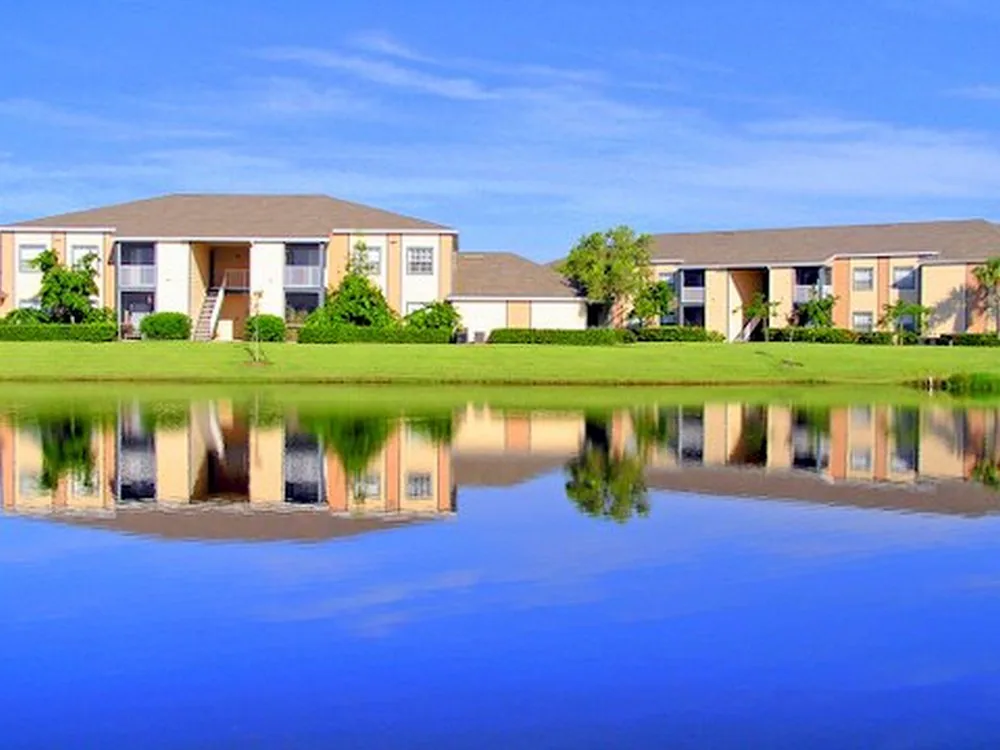
A stunning aerial view of a tropical beach resort with turquoise waters and lush greenery.

Trade the Shovel for the Shore: The Financial Case for Renting vs. Owning

Embracing coastal living often conjures images of pristine beaches and ocean breezes. However, the practicalities of maintaining a home in a maritime environment can be significant. This article aims to provide a comprehensive guide to achieving “effortless coastal living” through low-maintenance strategies, allowing you to maximize your enjoyment of the unique coastal lifestyle while minimizing the burdens of upkeep. We will explore various facets of coastal home ownership, from material selection to landscaping, all with the goal of simplifying your routine.

The selection of building materials is paramount in coastal environments, where homes are subjected to unique stressors such as salt spray, high humidity, strong winds, and intense UV radiation. Choosing materials that resist these elements from the outset is a proactive measure that pays dividends in reduced maintenance and prolonged structural integrity. Think of your home as a ship weathering a perpetual storm; its hull must be robust.

Exterior Cladding: The Shield Against the Elements

The exterior cladding acts as the primary barrier against the coastal climate.

  • Fiber Cement Siding: This material, often made from Portland cement, sand, and cellulose fibers, offers exceptional resistance to salt, insects, rot, and fire. Its durability in harsh conditions makes it a superior alternative to traditional wood siding, which can warp, crack, and rot when exposed to consistent moisture and salt. While the initial cost may be higher, the significantly extended lifespan and reduced need for repainting or repairs make it a cost-effective choice over time. It can be manufactured to mimic the appearance of wood, offering aesthetic versatility.
  • Vinyl Siding: A budget-friendly option, vinyl siding is relatively impervious to moisture and insects. Modern vinyl products have improved UV resistance, mitigating the common issue of fading. However, it can be susceptible to damage from high winds or impact, and in extreme heat, it may warp. Its lifespan is generally shorter than fiber cement, and its appearance can sometimes be less sophisticated.
  • Brick and Stone: These natural materials are inherently durable and offer excellent resistance to weathering, fire, and pests. They require minimal maintenance beyond occasional cleaning. However, their installation costs are substantial, and they may not always align with the lightweight aesthetic often associated with coastal homes. Mortar joints will eventually require repointing in salt-laden air, a maintenance task that, while infrequent, is labor-intensive.
  • Stucco: A traditional choice in some coastal regions, stucco provides a resilient and aesthetically pleasing finish. Modern synthetic stuccos offer improved flexibility and crack resistance compared to their traditional cementitious counterparts. Regular inspection for cracks and moisture intrusion is crucial, as water penetration can lead to significant damage.

Roofing: The Overhead Guardian

The roof endures the full brunt of sun, wind, and rain.

  • Metal Roofing: Standing seam metal roofs, often made from aluminum or galvanized steel, are an excellent choice for coastal areas. They are highly resistant to wind uplift, fire, and pests. Their smooth surface sheds water efficiently and minimizes the accumulation of salt and debris. While the initial investment is higher, metal roofs boast an exceptionally long lifespan, often exceeding 50 years, with minimal maintenance required beyond occasional cleaning and inspection. They are also energy-efficient, reflecting solar radiation and reducing cooling costs.
  • Asphalt Shingles (High-Performance): While standard asphalt shingles are commonplace, high-performance versions specifically designed for wind resistance and UV protection are better suited for coastal environments. Look for shingles with higher wind ratings (e.g., capable of withstanding winds up to 130 mph) and those treated to resist algae growth. Their lifespan is generally shorter than metal, but they offer a more affordable initial installation.
  • Tile Roofing: Clay or concrete tiles provide exceptional durability and resistance to fire and insects. They are heavy, requiring a robust roof structure, but their longevity and aesthetic appeal are significant advantages. They are particularly effective in shedding water and resisting wind damage.

Windows and Doors: The Eyes and Entrance

These openings are critical points of vulnerability to weather.

  • Impact-Resistant Windows and Doors: In hurricane-prone regions, impact-resistant (hurricane-rated) windows and doors are a non-negotiable insurance policy. Beyond storm protection, they offer enhanced energy efficiency and noise reduction.
  • Material Choice: Fiberglass or vinyl frames are generally preferred over wood in coastal areas due to their superior resistance to moisture, rot, and insects. Aluminum frames are also durable but can be less energy-efficient. Casement and awning windows often offer better air and watertight seals compared to traditional double-hung windows.

Interior Design and Furnishings: Resilience and Simplicity

The interior of your coastal home should reflect the low-maintenance philosophy. This means selecting materials and furnishings that are not only aesthetically pleasing but also resistant to the unique challenges of a humid, salt-laden environment, and easy to clean. Remember, you want your home to be a sanctuary, not a chore.

Flooring: Grounded in Practicality

The foundation of your interior dictates much of its maintenance.

  • Tile and Stone: Ceramic, porcelain, and natural stone tiles are highly durable, water-resistant, and relatively easy to clean. They withstand sand, salt, and moisture effectively, making them ideal for high-traffic areas and spaces prone to dampness, such as entryways, bathrooms, and kitchens. Grout lines, however, will require occasional sealing and cleaning to prevent discoloration.
  • Luxury Vinyl Plank (LVP) and Luxury Vinyl Tile (LVT): These engineered flooring options offer impressive water resistance, durability, and a wide array of styles mimicking wood and stone. They are softer underfoot than tile and generally easier to install, making them a popular choice for coastal homes where practicality is paramount.
  • Engineered Hardwood: While solid hardwood can be susceptible to warping and cupping in humid environments, engineered hardwood with a robust core (like plywood) offers greater stability. Look for products with marine-grade cores if possible, and ensure proper acclimation and installation. Regular sealing and maintenance will still be necessary.
  • Polished Concrete: For a modern, industrial aesthetic, polished concrete floors are exceptionally durable, easy to clean, and resistant to moisture and pests. They can be stained or tinted to achieve various looks.

Furniture: Built for the Beach

Furnishings should withstand the test of time and the occasional sandy footprint.

  • Outdoor-Grade Materials Indoors: Consider blurring the lines between indoor and outdoor furniture. Wicker, rattan (synthetic is often more durable), treated teak, and aluminum can be excellent choices for interior furnishings, offering resilience to humidity and ease of cleaning.
  • Performance Fabrics: Upholstery fabrics like Sunbrella®, Crypton®, or other solution-dyed acrylics are stain-resistant, fade-resistant, and often water-repellent. These properties are invaluable in a coastal setting where spills, damp swimsuits, and strong sunlight are common.
  • Minimalist Approach: Fewer pieces of furniture mean less to clean and maintain. Embrace a minimalist aesthetic that emphasizes functionality and open space, allowing the natural light and coastal views to take center stage. Opt for pieces with clean lines and sturdy construction.

Paint and Finishes: A Fresh Coat of Protection

The right paint can make a significant difference in long-term maintenance.

  • High-Quality Washable Paints: Use durable, washable paints, particularly in high-traffic areas. Look for low-VOC (volatile organic compound) options that are mold and mildew resistant.
  • Moisture-Resistant Primers: In humid environments, a good primer is essential. Use moisture-resistant primers before applying paint, especially in bathrooms and kitchens, to prevent mold growth and peeling.
  • Marine-Grade Varnishes: For any interior wood elements, consider marine-grade varnishes or sealants that offer enhanced protection against moisture and UV degradation, extending the life of your wooden surfaces.

Landscaping and Outdoor Spaces: Nature’s Easy Touch

The exterior spaces of your coastal home are an extension of your living area, but they also bear the brunt of the coastal environment. Designing low-maintenance landscaping involves selecting resilient plants, minimizing watering needs, and utilizing durable hardscaping. This approach allows you to enjoy your outdoor oasis without becoming a full-time gardener. Envision your garden as a natural filtration system, resilient and self-sustaining.

Plant Selection: Hardy Natives and Drought-Tolerant Varieties

The key to effortless coastal landscaping lies in choosing plants that thrive in conditions specific to your area.

  • Native Plants: Prioritize native species. These plants are already adapted to local soil conditions, rainfall patterns, sunlight exposure, and temperature fluctuations. They require less water, fertilizer, and pest control than non-native alternatives, creating a self-sustaining ecosystem. They also support local wildlife.
  • Drought-Tolerant Plants (Xeriscaping): Many coastal regions experience periods of drought, and even without it, reducing water consumption is environmentally responsible. Incorporate xeriscape principles by choosing plants that require minimal irrigation once established. Succulents, ornamental grasses, and many Mediterranean plants fall into this category.
  • Salt-Tolerant Plants: Salt spray can be detrimental to many plants. Research species known for their salt tolerance. Examples include sea oats, certain palms, oleander, juniper, and various coastal shrubs that have evolved to withstand saline conditions.
  • Wind-Resistant Plants: Strong coastal winds can dessicate and damage plants. Select species with strong root systems and compact growth habits. Consider using windbreaks (e.g., hedges or fences) to create sheltered microclimates for more delicate plantings.

Hardscaping: Paving the Way to Less Work

Hardscaping elements should be durable and functional, minimizing organic maintenance.

  • Permeable Paving: Instead of solid concrete or asphalt, consider permeable paving options like pavers, gravel, or decomposed granite. These materials allow rainwater to infiltrate the ground, reducing runoff and helping to recharge groundwater. They also tend to be more resilient to ground movement than solid slabs.
  • Composite Decking: While natural wood decks require regular cleaning, sealing, and staining to combat moisture, rot, and UV damage, composite decking offers a virtually maintenance-free alternative. Made from recycled plastic and wood fibers, composite decks resist rot, insects, splintering, and fading, requiring only occasional cleaning.
  • Gravel Paths and Beds: Replace high-maintenance lawns or mulched beds with gravel. Gravel paths are easy to install, provide excellent drainage, and require minimal upkeep beyond occasional weeding. Larger stones or river rock can be used in beds to suppress weeds and retain moisture, offering a low-maintenance, textural alternative to traditional mulch.

Irrigation and Drainage: Smart Water Management

Efficient water management is crucial for low-maintenance landscaping.

  • Drip Irrigation Systems: Replace inefficient sprinklers with drip irrigation. Drip systems deliver water directly to the plant roots, minimizing evaporation and waste. They can be set on timers, automating watering and ensuring plants receive the precise amount of water they need, reducing overwatering and conserving resources.
  • Rain Barrels and Cisterns: Harvest rainwater from your roof for irrigation. Rain barrels collect water for immediate use in small gardens, while larger cisterns can store significant amounts for dry periods, reducing reliance on municipal water sources.
  • Effective Drainage: Ensure proper grading around your home and garden beds to prevent water accumulation, which can lead to root rot, structural damage, and mosquito breeding. French drains or strategically placed swales can redirect excess water away from foundations.

Smart Home Technology: The Invisible Hand of Automation

Integrating smart home technology can drastically reduce the manual effort required to maintain a coastal property, providing convenience, security, and efficiency. Think of smart home tech as a silent, diligent butler overseeing your property.

Climate Control: Optimizing Your Environment

Humidity can be a formidable foe in coastal regions.

  • Smart Thermostats with Humidity Sensors: These devices not only control temperature but also monitor and manage indoor humidity levels. High humidity can lead to mold and mildew growth, and smart thermostats can trigger dehumidifiers or adjust HVAC settings to maintain optimal indoor conditions, preventing potential damage and ensuring comfort.
  • Automated Dehumidifiers: Connect standalone dehumidifiers to your smart home system or utilize whole-home dehumidifiers integrated with your HVAC. These can automatically activate when humidity thresholds are exceeded, ensuring a consistent, healthy indoor environment without constant manual monitoring.
  • Smart Vents: For zoned heating and cooling, smart vents can regulate airflow to individual rooms based on occupancy or schedule, optimizing energy consumption and comfort.

Security and Monitoring: Remote Peace of Mind

Remote management is a powerful tool for coastal homeowners, especially if the property is not a primary residence.

  • Smart Security Systems: Integrate smart cameras, motion sensors, and door/window sensors. These systems can provide real-time alerts to your smartphone, allowing you to monitor your property remotely. Features like two-way audio can deter intruders or allow you to communicate with delivery personnel.
  • Water Leak Detectors: Install smart water leak detectors near potential problem areas (e.g., under sinks, washing machine, water heater). These devices provide instant alerts if a leak is detected, allowing for quick intervention and preventing costly water damage, a particular concern in homes that may be unoccupied for periods.
  • Smart Outdoor Lighting: Automated outdoor lighting systems enhance security and curb appeal. They can be programmed to turn on and off at specific times, operate with motion sensors, or be controlled remotely, eliminating the need for manual operation.

Maintenance Monitoring: Proactive Problem Solving

Smart technology can help you stay ahead of maintenance issues.

  • Smart Appliance Monitoring: Some modern appliances offer smart features that can notify you of maintenance needs (e.g., filter changes, fault codes) or even predict potential issues, allowing for proactive servicing rather than reactive repairs.
  • Irrigation Controllers: Smart irrigation controllers integrate with local weather data to adjust watering schedules automatically, preventing overwatering during rainy periods and ensuring adequate hydration during dry spells. This conserves water and reduces manual adjustments.
  • Remote Power Management: Smart plugs and smart power strips allow you to control devices remotely, turning off lights or appliances that may have been left on, conserving energy, and providing an added layer of convenience.

Pest and Mold Prevention: Maintaining a Healthy Environment

Coastal environments are inherently prone to specific pest and mold challenges due to humidity, proximity to water, and warmer temperatures. A proactive and integrated approach to prevention is essential to maintain a healthy, low-maintenance home. Think of this as building an invisible fortress against unwelcome guests.

Integrated Pest Management (IPM): A Strategic Defense

Rather than simply reacting to infestations, IPM focuses on prevention and sustainable control.

  • Sealing Entry Points: Conduct a thorough inspection of your home’s exterior to identify and seal all potential entry points for pests. This includes cracks in the foundation, gaps around windows and doors, utility penetrations (pipes, wires), and missing or damaged screens. Use caulk, weatherstripping, and fine mesh to block access points.
  • Moisture Control: Many coastal pests, such as cockroaches, termites, and mosquitoes, thrive in damp conditions. Ensure proper drainage around the foundation, clear gutters regularly, repair leaky plumbing promptly, and address any sources of standing water. Maintain low indoor humidity levels using dehumidifiers.
  • Vegetation Management: Keep shrubs and trees trimmed away from the house structure. Overhanging branches or dense bushes can provide direct bridges for pests to access your home. Remove leaf litter and debris from around the foundation, as these provide harborage.
  • Food Storage and Waste Management: Store all food in airtight containers. Dispose of garbage regularly and in sealed bins. Clean up food spills promptly. Eliminating attractive food sources is a fundamental step in pest prevention.
  • Routine Inspections: Regularly inspect your home for signs of pest activity like droppings, gnaw marks, or mud tubes (for termites). Early detection allows for more manageable and less invasive interventions.
  • Professional Inspections: Consider periodic professional pest inspections, especially for termites, given their prevalence and destructive potential in coastal areas. Prevention is far less costly than remediation.

Mold and Mildew Mitigation: The Silent Invader

The high humidity of coastal regions creates an ideal breeding ground for mold and mildew.

  • Ventilation is Key: Ensure adequate ventilation throughout your home, especially in moisture-prone areas like bathrooms, kitchens, and laundry rooms. Use exhaust fans during and after showering, cooking, or using clothes dryers. Consider installing whole-house ventilation systems.
  • Humidity Control: As discussed in the “Smart Home Technology” section, maintaining indoor humidity at optimal levels (generally between 30% and 50%) is critical. Use smart thermostats with humidity sensors and dehumidifiers to automate this process.
  • Moisture Barrier Systems: For basements or crawl spaces, robust moisture barrier systems (e.g., vapor barriers, sump pumps, encapsulation) are crucial to prevent ground moisture from entering the home and contributing to mold growth.
  • Surface Preparation and Coatings: When painting or refinishing surfaces, especially in damp areas, use paints and primers that contain mildewcides or are specifically formulated for high-humidity environments. Regularly clean surfaces with appropriate, non-abrasive cleaners to remove any nascent mold growth.
  • Immediate Leak Repair: Any water leaks from plumbing, roofs, or windows must be addressed and repaired immediately. Even small, undetected leaks can lead to significant mold growth rapidly. Ensure affected areas are thoroughly dried within 24-48 hours.
  • Air Circulation: Arrange furniture to allow for air circulation, preventing stagnant air pockets, particularly against exterior walls, where condensation can accumulate. Open windows on dry, breezy days to flush out stale, humid air.

By adopting these low-maintenance strategies, you can transform your coastal residence into a sanctuary that seamlessly blends with its natural surroundings, offering an unparalleled lifestyle with minimal upkeep. This conscious approach to homeownership allows you to truly savor the coastal experience, freeing you from constant chores and maximizing your leisure time.

FAQs

What does low-maintenance coastal living mean?

Low-maintenance coastal living refers to a lifestyle and home design approach that minimizes upkeep and maintenance efforts while enjoying the benefits of living near the coast. It typically involves using durable materials, simple landscaping, and efficient home systems to reduce time and costs associated with property care.

What are common features of low-maintenance coastal homes?

Common features include weather-resistant building materials like fiber cement siding or composite decking, minimal landscaping with native or drought-tolerant plants, easy-to-clean surfaces, and designs that maximize natural ventilation and light to reduce energy use and maintenance.

How can landscaping be low-maintenance in coastal areas?

Landscaping can be low-maintenance by selecting native coastal plants that are adapted to salty air, sandy soil, and wind. Using mulch, gravel, or hardscaping elements reduces the need for watering and weeding. Automated irrigation systems and minimal lawn areas also help lower maintenance.

What are the benefits of low-maintenance coastal living?

Benefits include more free time to enjoy coastal activities, lower costs for repairs and upkeep, increased durability against harsh coastal weather, and a more sustainable lifestyle with reduced water and energy consumption.

Are there any challenges to low-maintenance coastal living?

Challenges can include initial costs for durable materials, managing corrosion from salt air, and selecting appropriate plants and designs that withstand coastal conditions. However, thoughtful planning and design can effectively address these issues.

Similar Posts