

Coastal Paws: A Resident’s Guide to the Best Dog-Friendly Spots in Vero
Finding a suitable apartment that accommodates your animal companions in Vero Beach, Florida, requires a systematic approach. This guide aims to provide you with the essential information to navigate the process, ensuring a smooth transition for both you and your pets. Vero Beach, with its coastal charm and recreational opportunities, can be an ideal location for pet owners, provided the right living arrangements are secured.
The availability of pet friendly apartments in Vero Beach is influenced by several market dynamics. Landlords and property management companies have diverse policies regarding pets, which can range from complete bans to accommodating multiple animals with specific breed or weight restrictions. Understanding these common policies is the first step in your search.



Varied Pet Policies: A Spectrum of Inclusions
- No Pets Allowed: This is the most restrictive policy, prohibiting any animals within the rental unit. This option is less common in communities actively seeking a broader tenant base but does exist, particularly in buildings with strict aesthetic standards or concerns about potential damage.
- Specific Breed Restrictions: Many communities that allow pets will impose restrictions on certain breeds deemed to be of higher risk. These restrictions are often based on insurance requirements or perceived aggression, and can include breeds such as Pit Bulls, Rottweilers, Doberman Pinschers, and German Shepherds, among others. These are sometimes referred to as “bully breeds.”
- Weight or Size Limits: Beyond breed, some landlords will establish a maximum weight or size for pets. This is often in place to mitigate concerns about potential damage to flooring or excessive noise. You might find limits ranging from 25 to 75 pounds.
- Number of Pets Allowed: Similarly, there may be a limit on the number of animals you can have in a single unit. This is typically one or two pets, with additional pets requiring special permission, which is rarely granted.
- Pet Deposit and Fees: Almost universally, pet friendly apartments will require a pet deposit, which is a refundable sum paid at the start of the lease to cover potential damages caused by the pet. Additionally, some properties charge a non-refundable pet fee or a monthly pet rent, which is an added expense to your monthly housing cost.
- Service Animals and Emotional Support Animals (ESAs): It is crucial to understand the legal distinction between pets, service animals, and ESAs under the Fair Housing Act. Service animals, trained to perform specific tasks for individuals with disabilities, and ESAs, which provide therapeutic benefit, are generally not subject to the same breed, weight, or fee restrictions as pets. However, landlords can request documentation from a medical professional to verify the need for an ESA or the disability for a service animal.
Factors Influencing Landlord Decisions
The decision of a landlord to allow pets is not arbitrary. Several factors play a role:
- Property Type: Single-family homes or townhouses may offer more flexibility than apartment buildings with shared common areas and close proximity between units.
- Building Amenities: Buildings with dedicated dog parks, pet washing stations, or outdoor space are more likely to be pet friendly and cater to the needs of pet owners.
- Insurance Policies: The landlord’s insurance provider can dictate pet policies, particularly concerning specific breeds or a history of claims related to animal damage.
- Market Demand: In areas with high demand for rentals, landlords may be more inclined to relax pet restrictions to attract a wider pool of potential tenants. Vero Beach, as a desirable coastal community, experiences varying levels of rental demand.
Navigating the Search for Pet Friendly Apartments
The search for a pet friendly apartment requires proactive steps. Relying solely on general listings may not yield the most suitable results. A targeted approach can save time and frustration.
Utilizing Online Resources Effectively
Several online platforms are dedicated to helping pet owners find housing. These platforms aggregate listings and often allow for specific pet-related filtering.
- Dedicated Pet Housing Websites: Websites such as Pet-Friendly Housing, GoPetFriendly, and Apartment List’s pet-friendly filter are excellent starting points. These platforms allow you to input your specific pet requirements, including breed, size, and number of pets.
- General Rental Websites with Pet Filters: Major rental listing websites like Apartments.com, Zillow, Trulia, and Rent.com typically offer filters that allow you to specify “pet friendly.” While not as granular as dedicated sites, they provide a broad overview of available properties.
- Local Property Management Company Websites: Many property management companies in Vero Beach have their own websites where they list available units. Directly visiting these sites and checking their pet policies can be beneficial, as they might not always list their full inventory on third-party platforms.
Engaging with Local Resources
Beyond online searches, local resources can provide valuable insights and direct connections.
- Local Real Estate Agents: Real estate agents who specialize in rentals in Vero Beach are often well-versed in which properties are pet friendly and may have off-market listings.
- Veterinary Clinics and Pet Stores: Local veterinary clinics and pet supply stores can be hubs of information. Staff often hear from clients about available rentals or know of landlords who are particularly accommodating to pets.
- Community Boards and Social Media Groups: Local Vero Beach community forums, Facebook groups for pet owners, or neighborhood boards can sometimes feature individuals looking to sublet or landlords advertising pet friendly units.
The Importance of Direct Communication
Once you have identified potential apartments, direct communication with the landlord or property manager is paramount.
- Inquire About Specific Policies: Do not assume “pet friendly” means all pets are welcome. Always confirm the exact breed, weight, and number restrictions.
- Ask About Fees and Deposits: Clearly understand the total cost associated with bringing your pet, including any non-refundable fees, refundable deposits, and monthly pet rent.
- Request a Pet Addendum: A formal pet addendum to the lease agreement clarifies all terms and conditions regarding your pet’s occupancy. This document should clearly outline rules, responsibilities, and consequences for violations.
Understanding and Meeting Pet Requirements
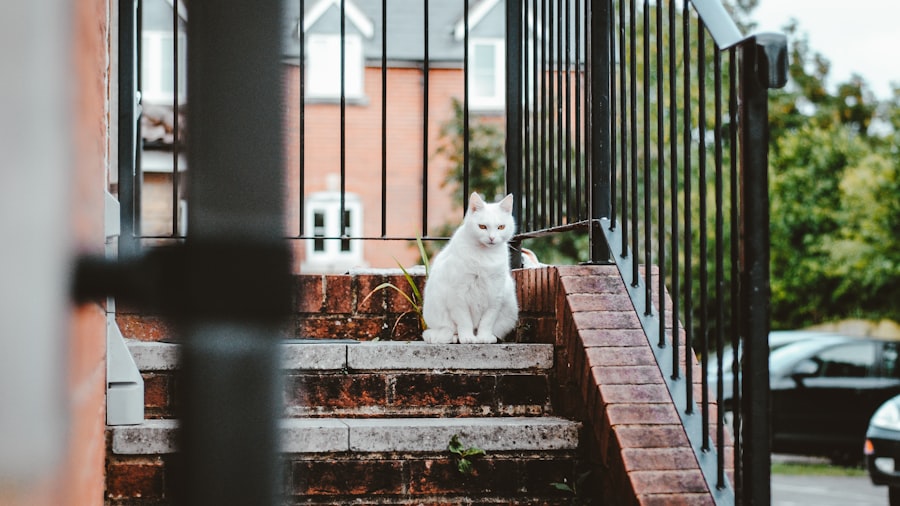
Once you’ve identified potential apartments, you’ll need to prepare to meet the specific requirements of the landlord or property manager. This often involves presenting your pet in a favorable light and demonstrating responsible pet ownership.
Preparing Your Pet’s Documentation
Landlords may request documentation to verify your pet’s health and temperament.
- Veterinary Records: Up-to-date vaccination records are standard. Some landlords may also request proof of flea and tick prevention or general health certificates.
- Spaying/Neutering Certificates: Many properties prefer or even require that pets be spayed or neutered, especially if there are concerns about potential breeding or related behavioral issues.
- Temperament Assessments (Less Common): While not a universal requirement, in some instances, especially with larger breeds or animals with a history, a landlord might ask for or be open to a temperament assessment from a certified professional. This is rare for standard apartment rentals but can be a deciding factor in specific cases.
- Proof of Training or Certifications: For dogs, evidence of basic obedience training or even certifications like Canine Good Citizen can be a positive selling point.
Presenting Your Pet Responsibly
How you present your pet can significantly influence a landlord’s decision.
- “Meet and Greet”: If possible, arrange for the landlord or property manager to meet your pet. A well-behaved, calm animal can alleviate concerns. This is particularly effective if your pet is not a breed commonly associated with being difficult.
- Showcase Good Behavior: Ensure your pet is clean, well-groomed, and responds to basic commands during any interaction.
- Provide References (Optional): If you have a veterinarian or previous landlord who can vouch for your pet’s good behavior, offering a reference can be beneficial.
Legal Considerations for Pet Owners

When seeking pet friendly apartments, understanding your rights and responsibilities under Florida law is crucial. The legal framework surrounding renting with pets, including service animals and ESAs, is designed to balance the needs of pet owners with the rights of property owners.
The Fair Housing Act and Its Implications
The Fair Housing Act (FHA) prohibits discrimination in housing based on race, color, religion, national origin, sex, familial status, and disability. While “pet ownership” is not a protected class, the FHA does extend protections to individuals with disabilities who require the assistance of service animals or the companionship of emotional support animals.
- Distinction Between Pets, Service Animals, and ESAs:
- Pets: Animals kept for companionship or pleasure are considered pets and are subject to landlord policies.
- Service Animals: Under the Americans with Disabilities Act (ADA), a service animal is a dog, and in some cases a miniature horse, that has been individually trained to do work or perform tasks for the benefit of an individual with a disability. These tasks can include guiding individuals with visual impairments, alerting individuals who are deaf, pulling a wheelchair, alerting and protecting a person who is having a seizure, or performing other specific tasks.
- Emotional Support Animals (ESAs): ESAs are not trained to perform specific tasks but provide comfort and therapeutic benefit to individuals with mental or emotional disabilities. They can be any type of animal, though dogs and cats are most common.
- Reasonable Accommodations: Landlords are required to make reasonable accommodations for individuals with disabilities who require service animals or ESAs. This means waiving pet fees, deposits, and breed/weight restrictions for these animals. However, landlords can request reliable documentation from a healthcare professional to verify the need for an ESA or the disability requiring a service animal. They can also deny a request if the animal poses a direct threat to the health or safety of others, would cause substantial physical damage to the property of others, or if accommodating the animal would fundamentally alter the nature of the provider’s operations.
Lease Agreements and Pet Addendums
Your lease agreement is a legally binding contract. Any terms related to pets should be clearly and explicitly stated within the lease or in a separate pet addendum.
- Reviewing Lease Terms: Carefully read all clauses pertaining to pets. Pay attention to rules regarding noise, waste disposal, keeping pets leashed in common areas, and any limitations on where pets are allowed within the property.
- Understanding Liability: Leases often include clauses that hold the tenant responsible for any damage caused by their pet, as well as for any injury to other residents or guests caused by the pet.
- Consequences of Violations: The lease agreement will outline the consequences for violating pet policies, which can range from warnings to fines and even lease termination.
Maximizing Your Pet’s Comfort in a Vero Beach Apartment
Once you’ve secured a pet friendly apartment in Vero Beach, creating a comfortable and safe environment for your animal companions is essential. Consider their needs and how to integrate them seamlessly into your new living space.
Creating a Pet-Friendly Living Space
Even within the confines of an apartment, you can make adjustments to enhance your pet’s well-being.
- Designated Pet Zones: Establish clear areas for your pet, such as a comfortable bed for sleeping, a feeding station, and a space for their toys. This provides them with a sense of security and routine.
- Safe and Stimulating Environment: Ensure all potential hazards are removed or secured. This includes electrical cords, toxic plants, and medications. Provide toys that encourage mental stimulation and prevent boredom.
- Window Views and Natural Light: If possible, position your pet’s resting areas near windows where they can observe the outside environment. Natural light is beneficial for their well-being.
Accessing Pet-Friendly Amenities and Activities in Vero Beach
Vero Beach offers several resources and locations that cater to pet owners, allowing you to enjoy the community with your animals.
- Parks and Recreational Areas:
- Round Island Beach Park: This park offers beach access that is generally more welcoming to dogs, although specific rules may apply, particularly regarding leashes and designated areas. It’s important to check local ordinances for current regulations.
- McKee Botanical Garden: While not a traditional dog park, McKee Garden sometimes has special “Dog Days” events, allowing leashed dogs to explore the grounds. It’s advisable to check their event calendar for these opportunities.
- Local Parks and Green Spaces: Many smaller neighborhood parks and community green spaces provide areas for dogs to exercise and socialize, often with designated off-leash areas or at least leashed walking paths. Researching local Vero Beach parks will reveal options near your chosen apartment.
- Pet Services and Facilities:
- Veterinary Clinics: Vero Beach has a number of well-regarded veterinary clinics that can provide ongoing care for your pets.
- Grooming Salons and Pet Supply Stores: Numerous businesses cater to pet grooming and supply needs, ensuring you can find everything from food and treats to grooming services.
- Dog Walkers and Pet Sitters: For busy individuals, professional dog walking and pet sitting services are available to ensure your pets receive attention and care even when you are away.
By thoroughly researching your options, understanding landlord policies, and preparing for the requirements of pet friendly living, you can successfully find a comfortable and suitable apartment in Vero Beach for both yourself and your animal companions. The key is diligence, clear communication, and a proactive approach to securing a harmonious living arrangement.
FAQs
What types of pets are typically allowed in pet friendly apartments in Vero Beach?
Most pet friendly apartments in Vero Beach allow common household pets such as dogs and cats. Some may also permit small animals like rabbits or birds, but it is important to check each apartment’s specific pet policy for restrictions on breed, size, or number of pets.
Are there usually additional fees for having a pet in Vero Beach apartments?
Yes, many pet friendly apartments in Vero Beach require additional fees such as a pet deposit, pet rent, or a one-time pet fee. These fees help cover potential damages and extra maintenance related to having pets on the property.
How can I find pet friendly apartments in Vero Beach?
You can find pet friendly apartments in Vero Beach by using online apartment search websites with pet filters, contacting local real estate agents, or visiting apartment complexes directly to inquire about their pet policies.
Are there any breed or size restrictions for pets in Vero Beach apartments?
Many pet friendly apartments in Vero Beach have breed or size restrictions, especially for dogs. Common restrictions include bans on aggressive breeds or weight limits. It is essential to review the apartment’s pet policy before applying.
What amenities do pet friendly apartments in Vero Beach typically offer for pets?
Pet friendly apartments in Vero Beach may offer amenities such as on-site dog parks, pet washing stations, walking trails, and nearby green spaces to accommodate the needs of pets and their owners.