
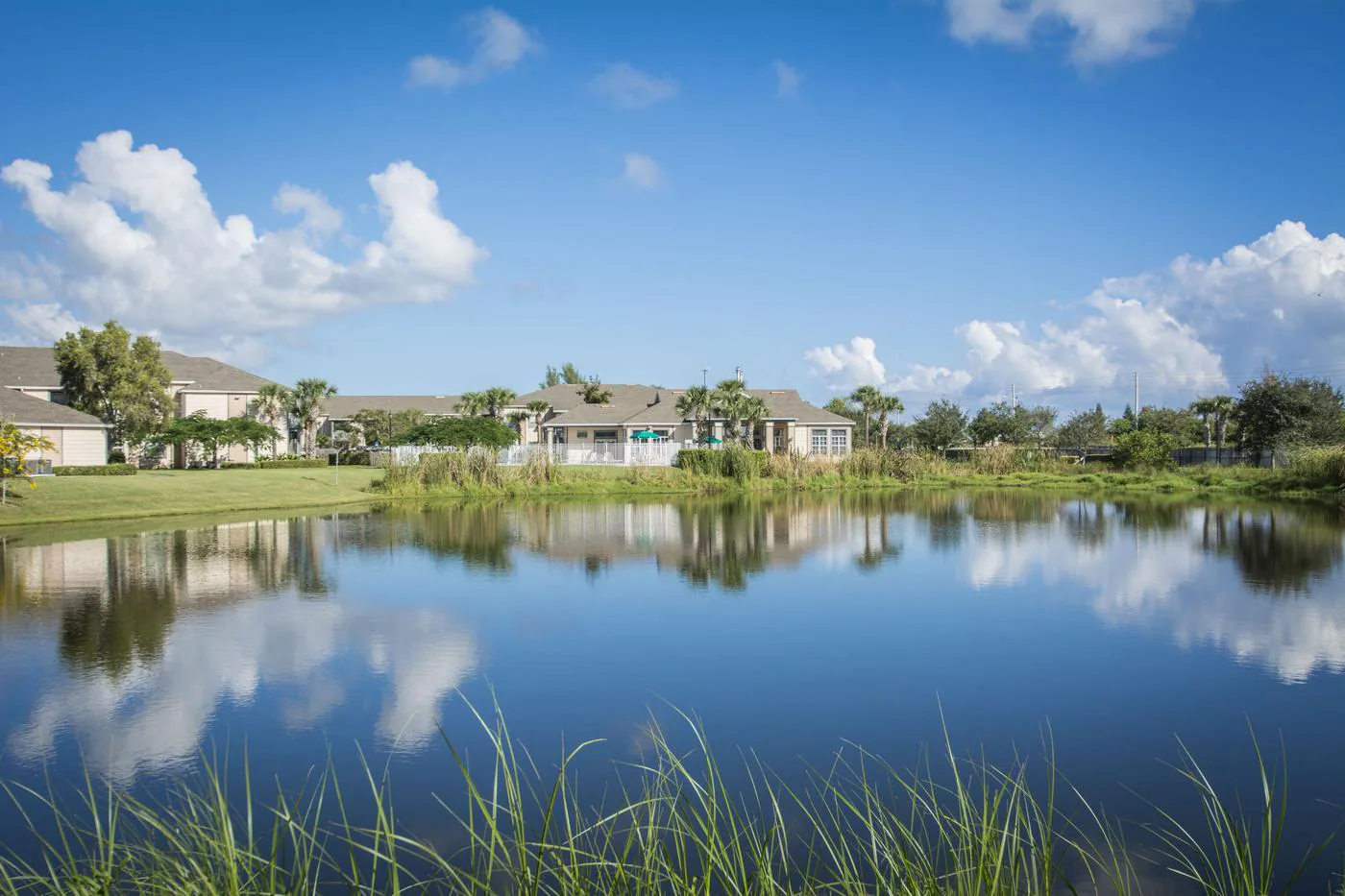
Lagoon Living: Why Proximity to the Indian River is a Weekend Game-Changer
Stepping into the realm of Prime Apartments by Indian River Lagoon, one encounters a multifaceted residential development nestled along a significant ecological and geographical feature. This article aims to provide a comprehensive and factual overview of Prime Apartments, exploring its location, historical context, architectural characteristics, amenities, and its broader impact within the region. As you navigate this information, consider the interplay between urban development and environmental preservation, a constant dialogue in locations such as this.
The Indian River Lagoon, a 156-mile-long estuary spanning three counties along Florida’s Atlantic coast, serves as the defining natural backdrop for Prime Apartments. This diverse estuarine system, a delicate ribbon of life, is renowned for its exceptional biodiversity, housing more species than any other estuary in North America. Its waters are a crucible where freshwater from inland rivers mingles with the saline embrace of the Atlantic Ocean, creating unique habitats that support an intricate web of flora and fauna.
Ecological Significance
The Lagoon’s ecological importance cannot be overstated. It is a critical breeding ground and nursery for numerous marine species, including manatees, dolphins, and various fish. The seagrass beds, once vibrant prairies beneath the water’s surface, act as vital filters and food sources, while the mangrove forests provide crucial shoreline stabilization and shelter for juvenile organisms. Understanding this ecological tapestry is essential to appreciating the context of Prime Apartments, as the development exists within direct proximity to this environmental gem.
Human Interaction and Conservation Efforts
Throughout history, human interaction has shaped the Lagoon. From indigenous communities who relied on its bounties to modern-day recreational users and commercial enterprises, the Lagoon has been a focal point. Today, conservation efforts are paramount, aimed at mitigating the impacts of pollution, habitat loss, and climate change. Various governmental agencies, non-profit organizations, and local communities are actively engaged in restoration projects and monitoring programs to safeguard this invaluable resource. The presence of developments like Prime Apartments inherently brings them into this ongoing dialogue about responsible stewardship.
Emergence of Prime Apartments: A Historical Trajectory
The development of Prime Apartments is not an isolated event but rather a chapter in the broader narrative of urban expansion along Florida’s coast. Its inception reflects prevailing economic trends, population shifts, and evolving consumer demands for waterfront living.
Pre-Development Landscape
Prior to the commencement of construction, the land occupied by Prime Apartments was generally characterized by a different set of land uses. This might have included undeveloped land, smaller residential structures, or even light commercial properties that have since been redeveloped. A thorough examination of public records and historical maps would reveal the specific land use patterns that predated the current development, offering insights into the evolution of the area.
Planning and Regulatory Framework
The planning and construction of Prime Apartments would have been subject to a complex web of local, state, and potentially federal regulations. These regulations govern everything from zoning and building codes to environmental impact assessments and stormwater management. The approval process would have involved multiple stages of review, including public hearings, to ensure compliance with established standards and to address community concerns. This bureaucratic labyrinth is a common feature of large-scale developments, serving as a gatekeeper to ensure adherence to societal and environmental norms.
Construction Phases and Timeline
The construction of a multi-unit residential complex like Prime Apartments typically unfolds in distinct phases. This begins with site preparation, including grading and utility installation, followed by foundation work, structural framing, and the subsequent layering of architectural finishes. The timeline for such projects can vary significantly depending on the scale, complexity, and unforeseen challenges, such as material delays or inclement weather. Understanding this phased approach provides a clearer picture of the meticulous process involved in bringing such a development to fruition.
Architectural and Design Principles

Prime Apartments by Indian River Lagoon exhibits a specific architectural vernacular, aiming to integrate with its coastal surroundings while offering modern residential living. The design choices, from material selection to aesthetic elements, are often influenced by local building styles and environmental considerations.
Exterior Aesthetics and Materiality
The exterior of Prime Apartments typically presents a contemporary architectural style, often incorporating elements that reflect its waterfront location. Materials such as stucco, reinforced concrete, and impact-resistant windows are commonly employed to withstand the coastal environment, including potential hurricane threats. The color palette often leans towards muted tones that blend with the natural surroundings, minimizing visual intrusion and maximizing a sense of tranquility. Consider how the choice of cladding, for instance, not only contributes to the building’s durability but also shapes its overall perceived character against the azure backdrop of the Lagoon.
Interior Layouts and Finishes
Inside, the apartments are designed for functionality and modern living. Floor plans generally feature open-concept living areas, maximizing space and natural light. Finishes typically include contemporary flooring materials like engineered wood or tile, complemented by modern kitchen installations with various appliance packages. Bathroom designs often incorporate current trends in fixtures and materials. The emphasis is usually on creating comfortable, low-maintenance living spaces that appeal to a broad demographic. Imagine the flow from a living room to a balcony, a microcosm of the larger connection to the outdoors.
Sustainable Design Considerations
In recent years, an increasing emphasis has been placed on sustainable design within residential developments. This can manifest in several ways at Prime Apartments. Energy-efficient building envelopes, water-saving plumbing fixtures, and the use of low-VOC (Volatile Organic Compound) materials are common examples. The integration of native landscaping to reduce irrigation needs and the implementation of robust stormwater management systems to protect the Lagoon are further indicators of a commitment to environmental responsibility. These considerations are not merely aesthetic; they represent a conscious effort to lessen the ecological footprint and offer long-term operational efficiencies.
Amenities and Lifestyle Offerings

Beyond the individual living units, Prime Apartments aims to provide a comprehensive lifestyle for its residents through a carefully curated suite of amenities. These features are designed to enhance resident convenience, recreation, and community engagement.
Recreational Facilities
A typical array of recreational facilities at Prime Apartments might include a swimming pool, often positioned to offer views of the Indian River Lagoon. Fitness centers equipped with modern exercise equipment are also standard, catering to residents’ health and wellness needs. Furthermore, communal outdoor spaces such as BBQ areas, fire pits, or walking paths are designed to encourage social interaction and provide opportunities for residents to enjoy the Florida climate. Think of these spaces as extensions of individual living rooms, offering collective experiences.
Community Spaces and Services
In addition to recreational amenities, Prime Apartments often includes various community-oriented spaces. These can range from business centers or co-working spaces, addressing the needs of remote workers, to clubhouses or resident lounges for social gatherings. Some developments may also offer concierge services, package delivery facilities, or even pet-friendly amenities such as dog parks or washing stations, acknowledging the growing trend of pet ownership in urban environments. These services aim to streamline daily life and foster a sense of belonging within the community.
Waterfront Access and Activities
Given its prime location, direct or facilitated access to the Indian River Lagoon is a significant draw for Prime Apartments. This might manifest as private docks for boats or kayaks, designated launch points for paddleboards, or simply observation decks and boardwalks that allow residents to enjoy the waterfront views. The proximity to the Lagoon itself opens up a myriad of recreational possibilities, from fishing and wildlife observation to boating and watersports. This direct connection to the natural environment is often a primary motivator for residents choosing this particular location.
Local Impact and Regional Integration
The presence of a development like Prime Apartments inevitably creates a ripple effect, influencing the local economy, social fabric, and environmental considerations of the surrounding region. Understanding these broader impacts is crucial for a complete assessment.
Economic Contributions
The construction phase of Prime Apartments would have generated significant economic activity, creating jobs in the construction sector and related industries. Post-construction, the development contributes to the local tax base through property taxes, which fund public services such as schools, infrastructure, and emergency services. Furthermore, residents of Prime Apartments contribute to the local economy through their consumption of goods and services from nearby businesses, supporting a range of retail, dining, and service industries. Consider property taxes as the lifeblood of local government, flowing from new developments to public welfare.
Demographic Shifts and Social Dynamics
The introduction of a new residential complex can lead to shifts in the local demographic makeup. Prime Apartments may attract new residents to the area, potentially altering age distributions, income levels, and cultural diversity. These demographic changes can, in turn, influence the demand for local services, housing markets, and even the character of local communities. The integration of these new residents into existing social structures is an ongoing process, often facilitated by local community organizations and shared public spaces.
Environmental Considerations and Mitigation
While the Indian River Lagoon is a major asset, the development itself, like any substantial construction project, necessitates careful environmental consideration. This includes the management of stormwater runoff to prevent nutrient loading into the Lagoon, the preservation of existing natural habitats where feasible, and compliance with regulations designed to protect endangered species. Mitigation strategies often involve the implementation of best management practices during and after construction to minimize ecological impact. The challenge lies in balancing development needs with the imperative of environmental preservation, a tightrope walk where every step must be carefully calculated.
Conclusion: A Residential Nexus on the Lagoon
In summation, Prime Apartments by Indian River Lagoon stands as a significant residential development, embodying a contemporary approach to waterfront living. Its existence is inextricably linked to the ecological and geographical canvas of the Indian River Lagoon, a relationship that necessitates careful consideration of environmental stewardship alongside urban growth. From its architectural design and array of amenities to its economic and social reverberations, Prime Apartments represents more than just a collection of dwellings; it is a nexus where human development intersects with a vital natural ecosystem. As you synthesize this information, reflect on the delicate balance that must be struck when forging new communities in the shadow, or indeed, in the embrace, of such extraordinary natural wonders.
FAQs
What is the Indian River Lagoon?
The Indian River Lagoon is a biodiverse estuary located along the east coast of Florida. It stretches over 156 miles and is known for its rich variety of marine life, including fish, birds, and plants.
Where are apartments near the Indian River Lagoon typically located?
Apartments near the Indian River Lagoon are commonly found in cities such as Vero Beach, Sebastian, and Melbourne in Florida. These locations offer easy access to the lagoon and nearby beaches.
What amenities can I expect in apartments near the Indian River Lagoon?
Apartments near the Indian River Lagoon often feature amenities like waterfront views, private balconies, swimming pools, fitness centers, and easy access to outdoor activities such as boating and fishing.
Are there recreational activities available near apartments by the Indian River Lagoon?
Yes, residents can enjoy a variety of recreational activities including kayaking, fishing, bird watching, hiking, and boating. The lagoon and surrounding parks provide ample opportunities for outdoor enthusiasts.
Is the Indian River Lagoon area suitable for families and retirees?
Yes, the area around the Indian River Lagoon is popular among families and retirees due to its natural beauty, peaceful environment, and availability of community services and recreational options.